

The Dubai home buying guide has become essential for international buyers seeking opportunities in one of the world’s most dynamic real estate markets. With a wide array of properties for sale in Dubai, ranging from luxurious waterfront apartments to family-friendly villas, foreign investors are drawn to the city’s tax-free environment, high rental yields, and potential for capital appreciation.
This Dubai home buying guide outlines everything foreigners need to know, from legal ownership rules to market trends in 2025. As the market continues to attract global capital, understanding properties for sale in Dubai helps investors make informed decisions in this vibrant emirate.
Why Invest in Dubai Real Estate as a Foreigner?

Dubai stands out as a top destination for foreign real estate investment due to its investor-friendly policies and robust economic growth. Since 2002, non-residents have enjoyed full freehold ownership in designated areas, allowing 100% control without local sponsors.
The absence of annual property taxes, capital gains tax, or inheritance tax on real estate maximizes returns. Additionally, high rental yields—often between 5-9%—and steady price appreciation make it appealing. In 2025, the market remains strong, driven by infrastructure developments and a growing expatriate population.
Legal Framework for Foreign Ownership
Foreigners can purchase freehold properties in approved zones, such as Downtown Dubai, Dubai Marina, Palm Jumeirah, and Jumeirah Village Circle (JVC). These areas offer complete ownership rights, including the ability to sell, lease, or inherit the property.
No residency visa is required to buy, though investments qualify for long-term visas. Leasehold options up to 99 years are available in some locations, but freehold is preferred for its permanence.
Benefits of the Golden Visa Through Property Investment

One major incentive is the UAE Golden Visa. Investing AED 2 million or more in qualifying property grants a 10-year renewable residency visa, sponsorable for family members.
Lower thresholds exist for shorter visas, but the 10-year option provides stability. Properties can be off-plan or ready, and even mortgaged ones qualify if payments meet criteria. This visa enhances lifestyle flexibility and business opportunities in the UAE.
Top Areas for Foreign Investors in 2025
Popular hotspots include:
- Downtown Dubai: Iconic views, luxury living, and strong appreciation.
- Dubai Marina: Waterfront lifestyle with high rental demand.
- Palm Jumeirah: Ultra-luxury villas and apartments for premium returns.
- Dubai Hills Estate: Family-oriented with green spaces and golf courses.
- Jumeirah Village Circle (JVC): Affordable options with good yields.
Emerging areas like Dubai South offer future growth potential tied to infrastructure projects.
Working with Property Agents in Dubai

Engaging reputable property agents in Dubai is crucial for navigating the market. Licensed agents, regulated by the Real Estate Regulatory Agency (RERA), provide access to listings, negotiate deals, and handle paperwork.
Look for experienced brokers with strong reviews and knowledge of foreign buyer needs. They assist in due diligence, ensuring smooth transactions and avoiding pitfalls.
Step-by-Step Process to Buy Property
Follow this Dubai home buying guide for a seamless purchase:
- Define your budget and preferences.
- Research areas and view properties.
- Obtain mortgage pre-approval if needed (non-residents can borrow up to 50-65%).
- Make an offer and sign a Memorandum of Understanding (MOU).
- Pay deposit (usually 10%).
- Obtain No Objection Certificate (NOC) from the seller/developer.
- Transfer at Dubai Land Department (DLD) and pay fees.
- Receive title deed.
The process is digitized and efficient, often completing in weeks.
Costs and Fees Involved
Expect additional costs of 7-8% on top of the purchase price:
- DLD transfer fee: 4%.
- Agent commission: 2%.
- Registration and admin fees: AED 4,000-5,000+.
- Mortgage fees (if applicable): 0.25-1%.
No ongoing property taxes apply, though service charges cover community maintenance.
Financing Options for Foreign Buyers

Banks offer mortgages to non-residents with competitive rates. Pre-approval strengthens offers, and some developers provide payment plans for off-plan properties.
Ready properties suit immediate occupancy or rental, while off-plan often feature flexible installments and potential uplift on completion.
Living in Dubai After Purchase: Practical Considerations
Congratulations on purchasing property in Dubai! Whether you’ve followed a comprehensive Dubai home buying guide to secure one of the many properties for sale in Dubai, transitioning to living here full-time brings exciting opportunities alongside practical adjustments. A reliable Dubai home buying guide often covers the buying process, but post-purchase life involves ongoing costs, residency benefits, and lifestyle choices that impact your daily experience.
Many buyers explore properties for sale in Dubai with long-term living in mind, drawn by the city’s safety, modern infrastructure, and tax advantages. However, understanding real-life considerations—like utilities, community living, and maintenance—ensures a smooth settlement. This section builds on your Dubai home buying guide by focusing on what comes next.
Residency Visa Benefits Through Property Ownership
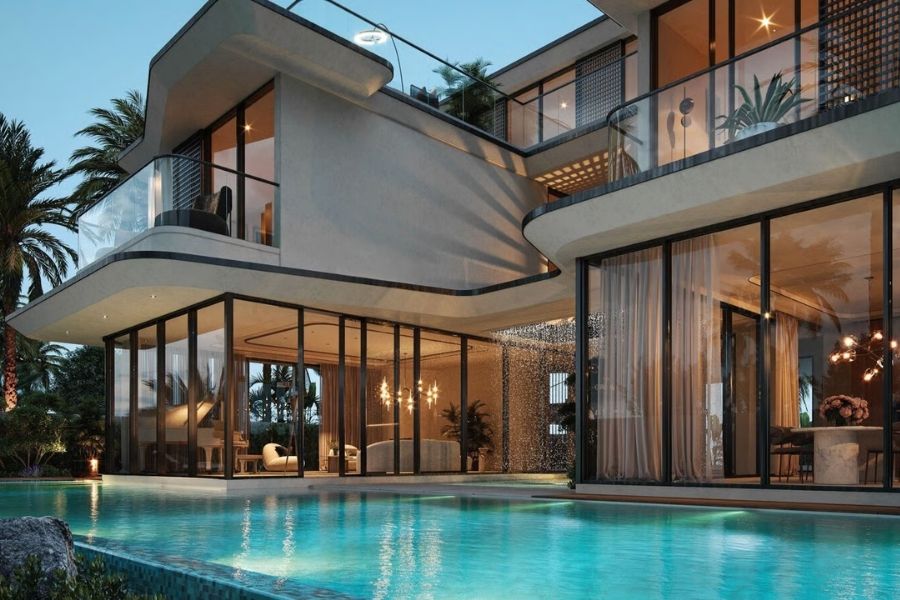
One of the biggest perks after buying is eligibility for a UAE residency visa. In 2025, owning a freehold property worth at least AED 750,000 qualifies you for a renewable 2-year investor visa, which can sponsor family members. For a 10-year Golden Visa, the threshold is AED 2 million (completed or off-plan properties qualify, with options for mortgaged assets via bank NOC).
This visa allows you to live, work, and study in the UAE without a local sponsor. It’s renewable as long as you maintain ownership, offering stability for expats. Apply through the Dubai Land Department (DLD) or GDRFA—many consult their Dubai home buying guide agent for assistance.
Ongoing Costs: Utilities and Service Charges
Living costs in Dubai are manageable but vary by lifestyle and property type. Key expenses include DEWA (Dubai Electricity and Water Authority) bills, which cover electricity, water, and a 5% housing fee (based on annual rent value, even for owners in some cases).
For a typical 2-bedroom apartment in 2025:
- Winter: AED 600–900/month
- Summer (heavy AC use): AED 1,200–2,000+/month
Slab tariffs apply—higher consumption means higher rates per kWh/m³—plus fuel surcharges. Many buildings add separate chiller fees for central AC.
Service charges for community amenities (pools, gyms, security) range from AED 10–25 per sq ft annually, paid to the owners’ association. No annual property tax exists, but budget for these to avoid surprises post-purchase.
Choosing the Right Community for Your Lifestyle
Dubai’s neighborhoods cater to diverse needs. Families often prefer green, spacious areas like Dubai Hills Estate, Arabian Ranches, or Jumeirah Village Circle (JVC)—known for parks, schools, and community vibes.
Expats seeking vibrancy choose Dubai Marina or Downtown for urban energy, while budget-conscious buyers opt for emerging spots like Dubai South. Proximity to schools, malls, and metro lines is key—consult an updated Dubai home buying guide for 2025 trends.
Daily Life and Family Considerations
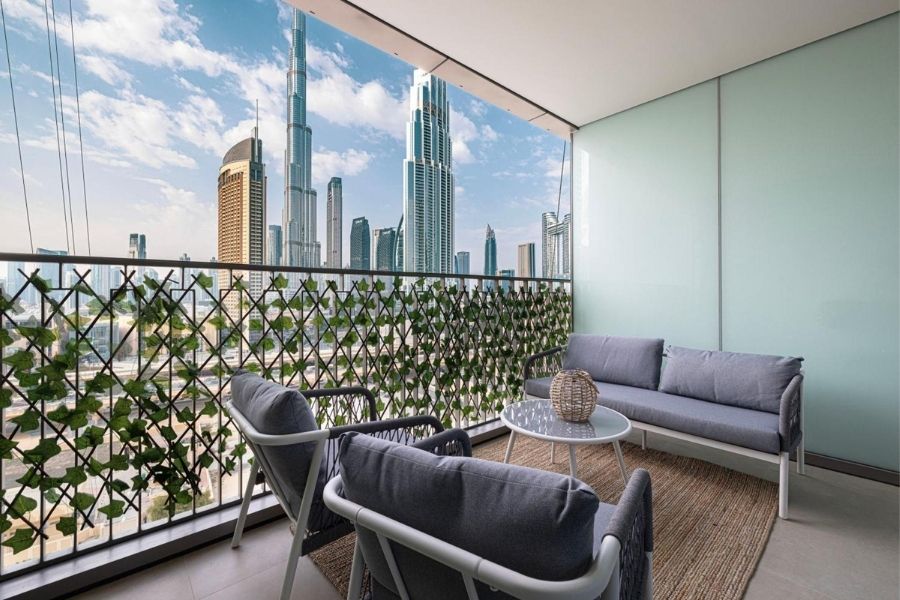
Dubai is family-friendly with excellent international schools, healthcare, and safety. Driving is common (get an RTA license), though metro and taxis are efficient. Groceries and dining are diverse and affordable, with no income tax boosting disposable income.
For families, balcony views and community pools enhance quality of life. Summer heat means indoor activities, but beaches and malls provide relief.
Property Maintenance Tips for Long-Term Ownership
Dubai’s climate demands proactive care. Schedule annual AC servicing (critical for efficiency), pest control (every 3–6 months), and water tank cleaning. Check for sand buildup in filters and seal cracks to prevent humidity damage.
For villas, maintain gardens and pools; apartments focus on community compliance. Hire licensed professionals—many offer annual contracts. Regular upkeep preserves value and avoids costly repairs.
Healthcare, Education, and Transportation
Mandatory health insurance covers residents (often employer-provided or private plans). Top hospitals like American Hospital Dubai ensure quality care.
International schools (British, IB, American curricula) abound in family areas—fees range AED 40,000–100,000/year. Public transport expands with new metro lines, but most own cars (fuel is affordable).
Integrating into Dubai Life
Join community events, expat groups, or apps like Dubizzle for local tips. Arabic is official, but English is widespread. Respect cultural norms, especially during Ramadan.
Following a thorough Dubai home buying guide gets you the keys, but embracing these practical aspects turns your property into a true home. With careful planning, living in Dubai after purchase offers an unmatched blend of luxury, convenience, and opportunity among your chosen properties for sale in Dubai.
Final Tips for Success
Conduct thorough due diligence, verify titles via DLD, and consult professionals. This Dubai home buying guide emphasizes timing—2025 offers balanced opportunities with sustained demand.
By focusing on prime properties for sale in Dubai, investors can secure both residency benefits and financial growth in this thriving market.

