

When it comes to making a big life decision in one of the world’s most dynamic cities, the debate around renting vs buying Dubai properties often takes center stage. Dubai’s real estate market has always been a magnet for investors, expats, and locals alike, with its blend of luxury living, tax-free incentives, and rapid urban development. As we look ahead to 2026, understanding the nuances of renting vs buying Dubai can help you determine whether to commit to ownership or opt for the flexibility of leasing. With property prices stabilizing after years of growth and new developments flooding the market, this choice is more critical than ever.
In the first two paragraphs, it’s essential to highlight key trends. Properties for sale in Dubai are seeing increased interest due to projected oversupply in 2026, which could lead to more affordable entry points for buyers. Meanwhile, renting vs buying Dubai remains a hot topic as rental yields stay attractive at around 8-10%, outpacing global averages. Whether you’re eyeing high-end villas or modern apartments, exploring properties for sale in Dubai now could position you well for the coming year, but weighing the pros and cons is key to avoiding costly mistakes.
Current State of Dubai’s Real Estate Market
Dubai’s property landscape has evolved dramatically over the past decade, driven by population influx, economic diversification, and government initiatives like the Golden Visa program. As of late 2025, the market is experiencing sustained growth, with average property prices up by about 12% in the first half of the year. However, experts are forecasting a shift as we enter 2026. An influx of approximately 120,000 new residential units is expected, potentially leading to a moderate price correction of 10-15%. This oversupply could make renting vs buying Dubai a more buyer-friendly equation, especially in mid-tier segments.
For those considering ownership, areas like Jumeirah Village Circle, Business Bay, and Dubai Marina continue to dominate listings. These neighborhoods offer a mix of ready-to-move-in homes and off-plan projects, appealing to different budgets. On the flip side, rental demand remains strong due to the transient nature of Dubai’s expatriate population, which constitutes over 80% of residents. This dynamic keeps vacancy rates low in prime areas, but projections suggest an average 12% vacancy in 2026 across the city, which might pressure landlords to lower rents by up to 5%.
Pros of Renting in Dubai for 2026
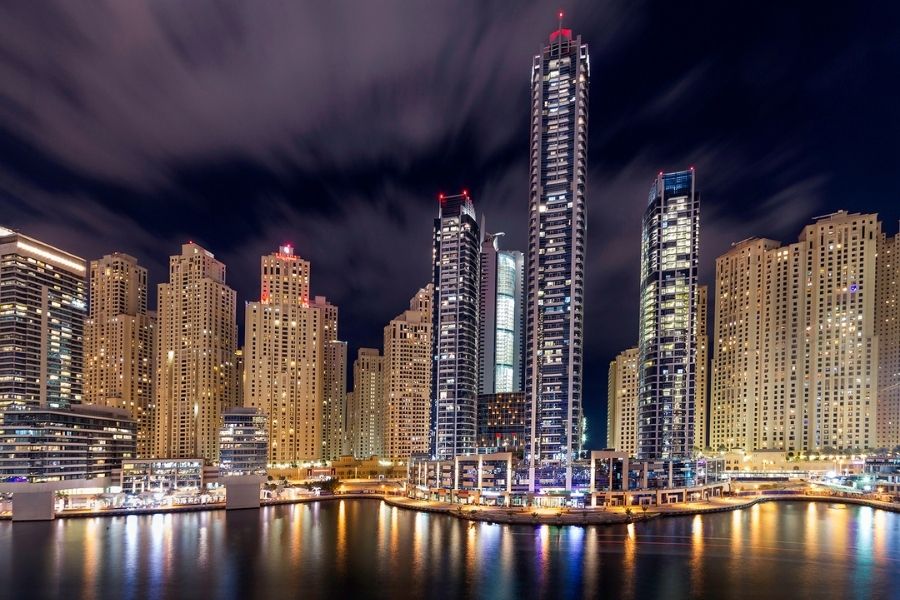
Renting offers unparalleled flexibility in a city as fast-paced as Dubai. If you’re an expat on a short-term contract or someone testing the waters before a long-term commitment, leasing allows you to relocate easily without the hassle of selling. In 2026, with anticipated rental price dips, you could secure premium apartments in Downtown Dubai or Palm Jumeirah at more competitive rates. This makes renting vs buying Dubai an ideal choice for those prioritizing mobility over equity building.
Moreover, renting shields you from market volatility. Property maintenance, service charges, and unexpected repairs fall on the landlord, freeing up your capital for other investments like stocks or businesses. In a year where oversupply might soften prices, renters can negotiate better terms, such as inclusive utilities or furnished units. For families or young professionals, this means access to world-class amenities—gyms, pools, and concierge services—without the upfront costs associated with buying.
Cons of Renting: Long-Term Considerations
However, renting isn’t without drawbacks. Over time, you’re essentially paying someone else’s mortgage without building personal wealth. In Dubai, where property appreciation has historically outpaced inflation, missing out on capital gains could be regrettable. Come 2026, if prices stabilize post-correction, renters might face renewal hikes if demand rebounds in sought-after areas. Additionally, lease agreements can be restrictive, limiting customization options like renovations.
Another angle in the renting vs buying Dubai discussion is the lack of stability. Annual renewals mean potential evictions if landlords decide to sell, disrupting your lifestyle. With Dubai’s rental market becoming more competitive in non-prime zones due to new supply, finding the perfect spot might require more effort and compromise.
Pros of Buying Property in Dubai
Shifting to ownership, buying in Dubai positions you as an investor in one of the globe’s most resilient markets. Property agents in Dubai often emphasize the tax advantages—no capital gains or property taxes—making it lucrative for long-term holders. In 2026, with Fitch Ratings predicting a soft landing rather than a crash, buyers could snag deals in emerging communities connected to the Metro, enhancing commute efficiency and resale value.
Ownership builds equity, and with rental yields at 8-10%, you can offset mortgage payments through tenants if investing. Luxury segments, like waterfront villas, are expected to remain buoyant, offering lifestyle perks such as private beaches and golf courses. For families, buying provides roots in a city that’s increasingly family-oriented with new schools and parks.
Role of Property Agents in Dubai
Navigating the market requires expertise, and that’s where property agents in Dubai come into play. Top firms like fäm Properties, Better Homes, and Driven Properties have been instrumental in guiding clients through transactions. These agents provide market insights, negotiate deals, and handle paperwork, ensuring a smooth process. In 2026, with more units hitting the market, relying on seasoned property agents in Dubai can help identify undervalued gems amid the supply surge.
Cons of Buying: Risks and Costs

Buying isn’t for everyone, especially with upfront costs like down payments (typically 20-25% for non-residents) and registration fees. Mortgages in Dubai, while accessible, come with interest rates around 4-5%, and economic shifts could affect affordability. The projected 2026 correction might erode short-term gains, making it riskier for flippers.
Maintenance and service charges add ongoing expenses, averaging AED 15-25 per square foot annually. If you’re not planning to stay long-term, the transaction costs—up to 4% in agency fees—could outweigh benefits in the renting vs buying Dubai debate.
Market Forecast for 2026: Data-Driven Insights
Looking specifically at 2026, analysts from S&P Global and local experts predict a dual-market scenario: prime luxury areas like Dubai Hills Estate will see steady demand, while mid-market segments face competition from new deliveries. Population growth, projected at 5-7% annually, will sustain overall demand, but supply could outpace it temporarily, leading to better bargaining power for buyers and renters alike.
Interestingly, while real estate dominates discussions, Dubai’s appeal extends to other services. For Muslim residents or investors, combining property decisions with spiritual journeys is common—many use an umrah travel agency to plan pilgrimages during off-seasons. This holistic lifestyle approach influences where people choose to live, favoring communities with easy airport access for such trips. In the renting vs buying Dubai context, owning near transport hubs could enhance convenience for frequent travelers using an umrah travel agency.
Cost Comparison: Renting vs Buying in Numbers
To make it practical, let’s break down costs. A 1-bedroom apartment in Business Bay might rent for AED 100,000 annually in 2026, post-dip. Buying the same could cost AED 1.5 million, with a 20% down payment (AED 300,000) and monthly mortgage of AED 6,000. Over five years, renting totals AED 500,000, while buying builds equity minus interest (around AED 150,000). Factoring in yields, owners could net positive if renting out.
In upscale areas, villas for sale might fetch AED 200,000 in rent yearly, covering mortgages. However, factor in potential 5% rent drops—renting vs buying Dubai then tilts toward buying for stability.
Lifestyle Factors Influencing the Decision

Beyond finances, lifestyle plays a huge role. Renters enjoy trying different neighborhoods, from the buzz of Downtown to the serenity of Arabian Ranches. Buyers, conversely, can personalize spaces, fostering a sense of belonging. In 2026, with more green spaces and smart city integrations, ownership might appeal to eco-conscious families.
Expats often weigh visa benefits—buying above AED 2 million qualifies for a 10-year Golden Visa, a game-changer for long-term plans.
Investment Potential: Long-Term vs Short-Term
For investors, 2026 could be opportunistic. Off-plan properties from Tier-1 developers like Emaar offer payment plans, with completion aligning with market recovery. Rental yields in hotspots like Dubai Marina remain high, but diversification is key—don’t put all eggs in one basket.
Short-term, renting allows capital allocation elsewhere, like Dubai’s booming tech sector.
Legal and Practical Tips

Understanding Dubai’s laws is crucial. The Real Estate Regulatory Agency (RERA) oversees transactions, ensuring transparency. For buyers, title deeds are issued post-payment; renters get Ejari contracts for utilities.
Consult lawyers for off-plan risks, especially with 2026 handovers.
Conclusion: What’s the Best Choice for You in 2026?
Ultimately, renting vs buying Dubai in 2026 depends on your horizon. If flexibility and low commitment suit you, rent—especially with softening rates. For wealth-building and stability, buy, capitalizing on potential dips. With expert forecasts pointing to resilience, Dubai remains a top destination. Weigh your finances, consult property agents in Dubai, and decide wisely.

